 LEGEND OF SOLARA
▶ PLAY
LEGEND OF SOLARA
▶ PLAY
LEGEND OF SOLARA
▶ PLAY
LEGEND OF SOLARA
▶ PLAY
Every child in Solara grows up on the same myth: long ago a champion struck down the Longnight and saved the world. You set out to honour that legend — and spend the whole journey discovering, one drowned record and one re-lit creature at a time, that it is a comforting lie. What really happened, and what it asks of you, is the story below.
Solara is a land that the sun never fully leaves. Long ago its first people chased the long light westward — over ridge and river — until they reached a meadow where the sun lingered past dusk, gilding the grass when everywhere else had gone to dark. There they raised the first hearth, and there they stayed.
The sun became everything to them: their scripture and their calendar, their currency and their craft. They learned to fish its rivers, cook by its embers, and farm the gold-green fields it warmed. And on that first night by the first fire, something answered the warmth — small living motes of light came down from the ridges to watch the flames. The people called them sunsparks, and the bond between folk and spark has been Solara's quiet heart ever since.
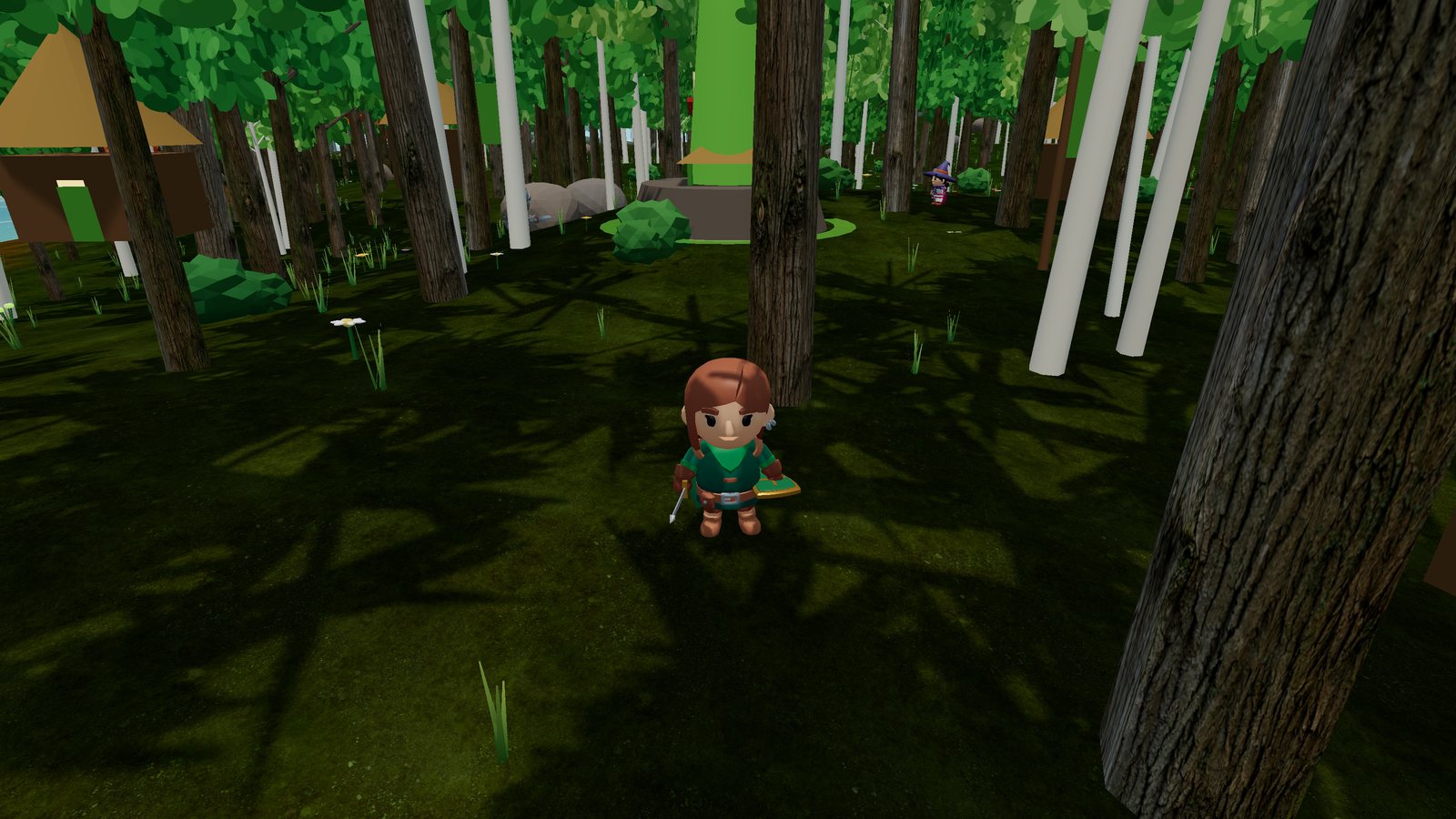
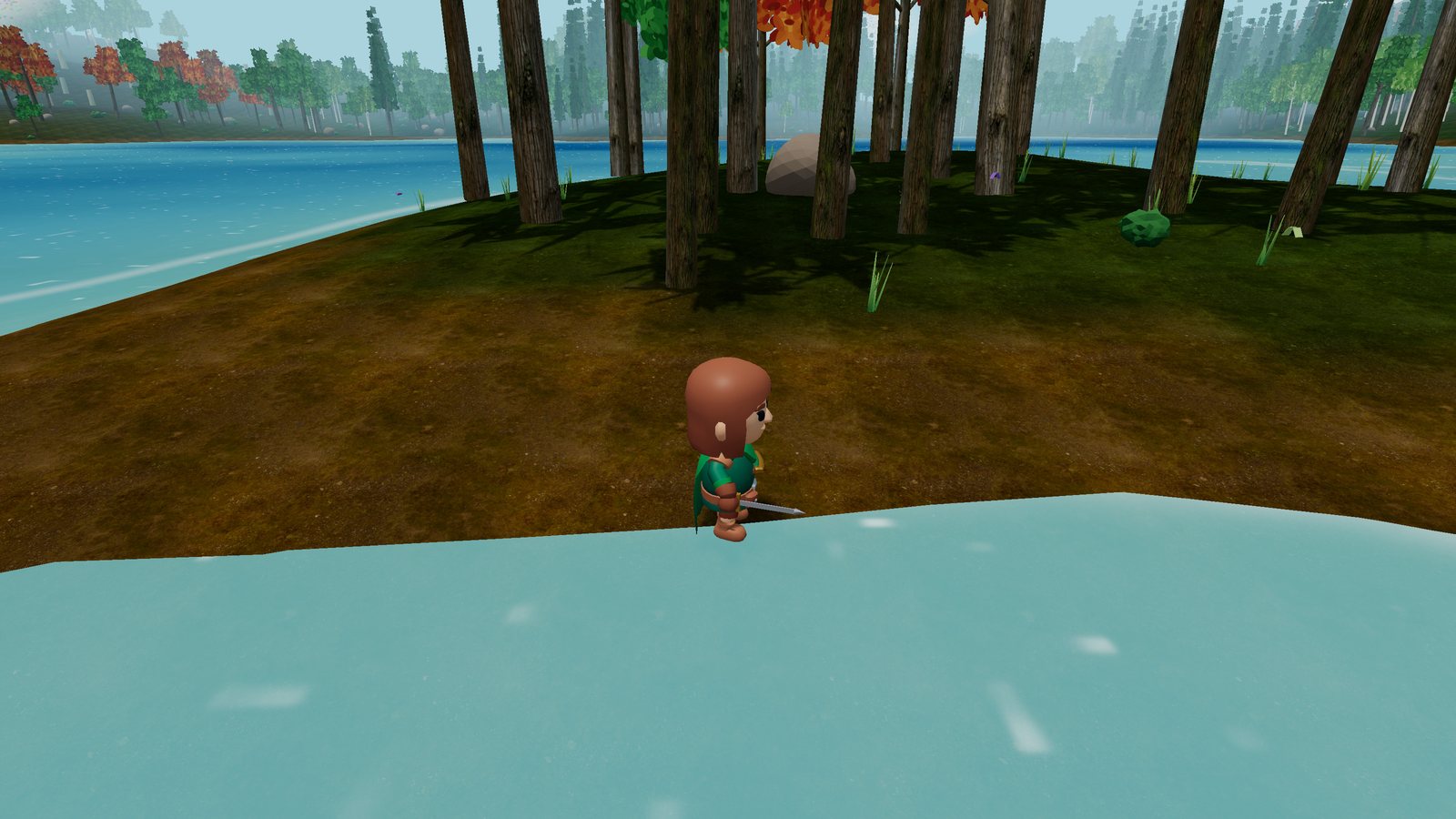
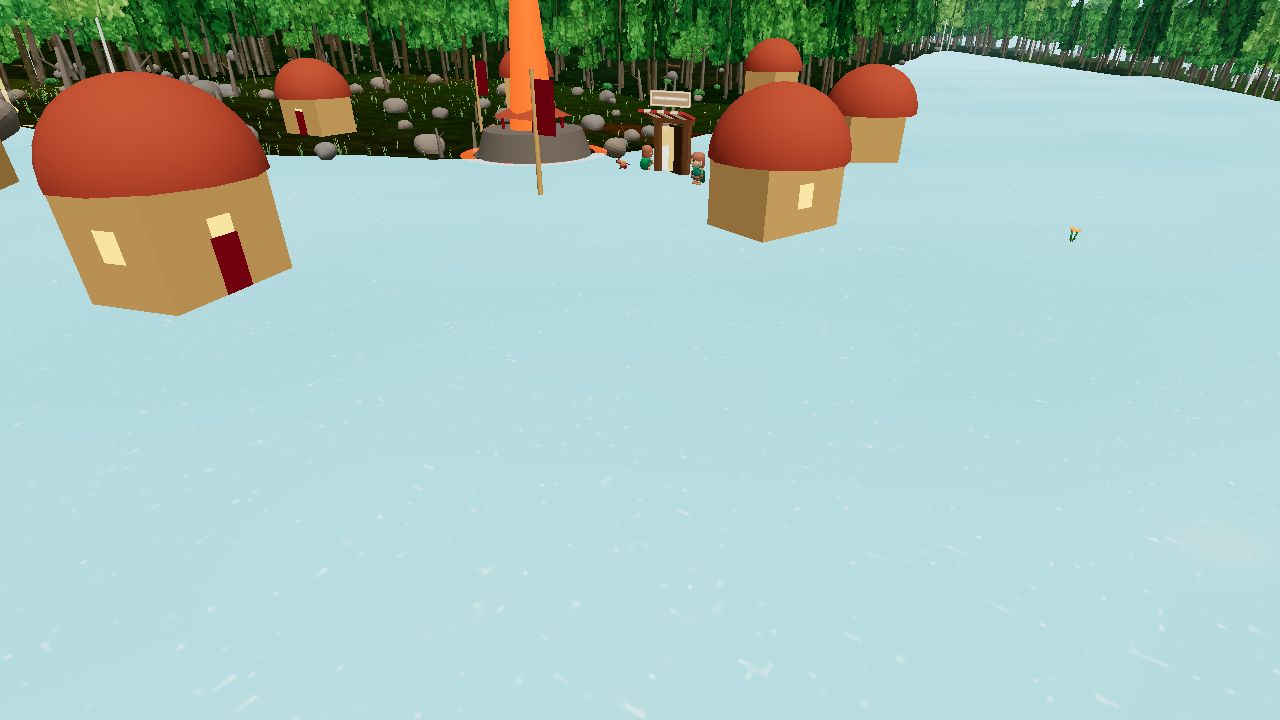
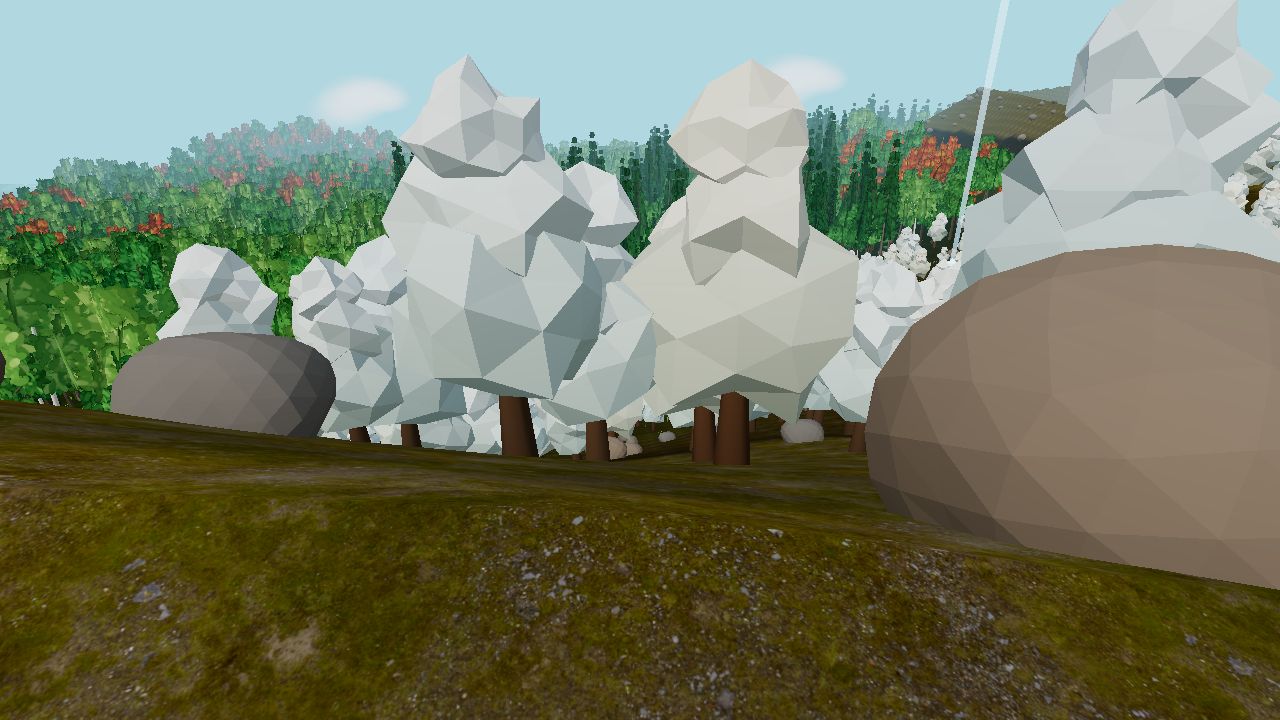
Before the kingdoms there were the Heliarchs — the sun-rulers, masters of sun-glyph and sun-glass. They cut handholds into sheer cliffs instead of roads, so that the worthy could climb anywhere. They stitched sailcloth wide as wings and stepped off the high crags to glide the valleys. They drew a whole town glowing from a mountain's molten vein, and raised the Crystal Spire — a shard of living crystal that has caught and kept the light for a thousand years.
Their works still stand across Solara: the humming Skystone Arch, the silver pool of the Mirror Falls, the ring of glowing Wardstones, and the sleeping Sun Gates — sun-roads that a Warden can wake to leap across the world. But the Heliarchs themselves are gone, vanished in a single ancient catastrophe whose name is spoken softly to this day.
An age ago the light failed and a great dark fell over Solara — the Longnight. The Heliarch civilization did not survive it. The sunsparks dimmed and scattered into the wilds. And though the Wardstones still glow on moonless nights, warding against something long gone, no one alive remembers exactly what fell, or why. The truth waits in the ruins — for a Warden patient enough to piece it together.
The Heliarchs were not conquerors and not priests — they were makers who fell in love with the light and learned to work it: to cut and focus and store the sun the way a mason works stone. From that one craft grew everything — their cities, their machines, their certainty, and at the last the catastrophe that ended them. They were not wicked. They were the best of a people, reaching for the most beautiful thing they could imagine — a world that never again had to be afraid of the dark — and they broke the world by trying to perfect it.
The ruins read their story like rings in a felled tree: the older and deeper the work, the humbler; the later and larger, the more it grasps. A Warden who descends Verdance's root-tombs and later stands in Emberthrone's forge-heart walks that whole arc in reverse — from innocence to obsession, across three ages.
The first Heliarchs did not build over the world — they coaxed it. They grew living stone and jade from the soil, seeded the Heartroot, and woke the first Sun Gates so light would circulate rather than pool. In this age the craft and the creed were one thing: reach toward the world with patience, offer it warmth, tend it. The sunsparks came down to be near them. It is the age Aurel would one day try to bring the world back to.
Tending became building. They drew a whole town glowing from a mountain's molten vein, stitched sailcloth wide as wings to glide the valleys, raised the Skystone Arch, set the silver pool of the Mirror Falls, and grew the Sun Tree. These are the wonders the frontier still admires. It was glorious — and it was the hinge: somewhere within it, making the world better quietly became making the world theirs.
No monument celebrates the last age, because it left no one to celebrate it. Here the Heliarchs turned the whole of their art toward a single end — the Great Working — and built, in the Forgelands, the machinery to attempt it: engines made to burn light, and at their heart, focusing the world's sun-glass, the Crystal Spire. This is the age that ends in the dark.
At the center of all their craft lay the Sunheart — the world's focused solar core — which they read as two aspects held in balance: Solaryx, radiance and growth, the half they loved; and Noctyrm, the night — rest, memory, grief, the dark that lets seeds sleep. Not evil. The necessary other half. Their craft worked because the two were balanced. The crime begins the moment they decide one half is a flaw to be solved.
The Great Working was conceived entirely out of love. At the Crystal Spire, focusing the world's sun-glass to a single point, the Heliarchs would sever the night from the day — cut Noctyrm away from the Sunheart and lock it forever, leaving only radiance. Eternal day. The end of fear. They told themselves the night would simply cease. They were the most skilled makers the world had known, and catastrophically wrong about the one thing their whole art rested on: balance cannot be perfected by subtraction.
The Working succeeded at the only thing it was built to do — and that is what destroyed them. The night was severed. But Noctyrm did not cease: severed and caged, all that grieving dark congealed into a single wounded consciousness, drifting to the coldest place in the world to settle there, alone and awake. And the Working did not bring eternal day. It backfired into its opposite — not a dusk that never fell, but a dark that would not lift: the Longnight. The sun did not rise for a generation. The engines went dark. The sunsparks dimmed and scattered; some, touched by the caged dark, twisted cold. And the makers fell — undone by the one thing they had built every machine to defeat.
One Heliarch refused the obsession. Aurel could not undo the Working by force — force was the Heliarchs' whole error — and understood the thing none of the others would: you cannot conquer the dark; you can only make peace with it. So Aurel did the thing this whole game is built around. Aurel bonded — re-lit a scattered sunspark, and reached with patience toward the wounded night, not to strike it but to mend it. The wound was too deep to heal; but Aurel could hold it in balance. Aurel forged the legendary regalia as instruments of equilibrium, raised the Wardstones to keep the wound shut, woke the Sun Gates to keep the light moving, and founded the Wardens to tend the balance, forever — leaving one door deliberately open for a successor brave enough to finish it. Light returned at last: the Dawnreturn. And then memory became myth — the self-inflicted catastrophe forgotten, the wronged night remembered as a monster, and the First Champion remembered exactly backwards, as the hero who slew the dark.
When the Longnight broke and the old world lay in ruin, an order rose to keep the wilds and tend what remained: the Wardens. You are the newest of their line, freshly charged and sent into the frontier on a humble first task — a field survey, chronicling the scattered sunsparks for old Elder Maren of Maren's Field.
But a survey is only the beginning. Bond a few sunsparks, prove yourself among rivals and trial-keepers, and Maren will hand you the greater charge — the Wayfarer's Charter — and set you on the road to the four elemental kingdoms. For the inheritance of a Warden is older and heavier than anyone first admits, and it leads, in the end, straight back to the Longnight.
Beyond the starting valley lie the four elemental kingdoms — and no two are alike. Each is its own distinct land ruled from a named capital, each guards a mythic regalia won only by besting its trial, and each holds a piece of the answer to what the Heliarchs did, and what the Longnight really was.
A lush leaf-green canopy where Solara first took root, gathered around The Heartroot and entered through The Verdant Gate — its prosperity threatened by a quiet rot rising from below.
Black volcanic ground veined with lava, ruled from a throne of obsidian, where The Great Forge burns above The Molten Basin and old Heliarch fires still tempt the bold.
A teal coast and a stilt-village raised over the shallows, where The Pearl Arch opens onto The Tideshrine — keepers of sunken archives the surface chose to forget.
Endless snowfields where the coat-folk hold The Ice Bastion beneath The Frostspire, enduring beside the oldest wound the Longnight ever left.
No two kingdoms are alike, but every one is sick with the same hidden disease — the balance Aurel set is fraying, and each land reaches back into the Heliarch legacy to seize its power, never guessing that to do so is to ring a bell the caged dark can hear. Each ruler embodies their kingdom's relationship to a truth the world spent an age forgetting. And in each, a single legendary sunspark waits — not to be beaten, but bonded — holding one piece of the answer.
Sovereign-Warden Liesl, the Evergreen Matron — old, gracious, and quietly terrified — rules a kingdom whose whole identity is "we have always flourished." She cannot afford to admit the flourishing is ending, and her denial is not stupidity but love.
Greenhollow is rotting from below: groves greying, sunsparks sickening, harvests dwindling. The court blames the wilds. But beneath the Heartroot, in seed-vaults the roots have cracked open, the player finds the first crack in the hero-myth — the Heliarchs were already reshaping the world before the Longnight fell. The blight is no invader. It is the old wound seeping up through the roots. Maybe the catastrophe wasn't something that befell Solara — but something Solara's own builders did.
The Verdant spark has slept inside the Heartroot since before the dark, dreaming the tree's oldest memory. Bond it, and it shows you the Heliarchs at work in the soil long before night ever fell.
Pyrarch Corvain, the Unbanked Flame — brilliant, charismatic, obsessed — has spent his reign relighting the old Heliarch forges, certain he can finish what the ancients began. He is not cruel by intent; he simply believes the work is worth the cost, and the cost keeps rising.
His forges devour the kingdom — its wood, its water, its people, and at last the sunsparks themselves, fed to fires built to burn light. Forgemaster Brann, his old master, begins to refuse him; Trader Saffi holds the fuel-ledger that names what is being burned. In the forge-heart, the sun-glass records lay the crime bare: the Heliarchs' true ambition was a sun that never sets — the night cut out of the world forever.
The Fire spark is an ember the Heliarchs forged to be a weapon — and it refused, hiding in the deepest coal for an age rather than burn. Bond it, and it shows you the Working being built: the moment ambition curdled into obsession.
Sea-King Maelis of Pearlrest keeps the drowned archive — and has buried the truth on purpose for generations, believing a world that needs its hero-myth would drown beneath the real record. The young archivist Naute disagrees, and quietly leads you down against the king's wishes.
The deeper you descend the flooded library, the more each stratum corrects the one above: the hero slew the night → the hero faced the night → at the bottom, in a drowned hand, the hero bonded it. Here the First Warden's name surfaces — Aurel — and everything you learned in your first days, the hero who slew the darkness, is revealed as a comfortable, corrosive lie.
The Water spark swam into the archive an age ago and has guarded one true memory in the deep ever since: Aurel reaching out not to strike, but to mend. Bond it in stillness, and the memory is yours, whole.
Hearth-Warden Yvane, the Last Watcher — has guarded the truth of the north in silence her whole life, out of love and fear alike. She knows what Noctyrm is. She knows the Wardstones can be opened as well as held shut. And she has never told a soul, because she could not bear to be the one who decided.
The frozen north is where the severed night congealed — the coldest, closest wound, barely held shut by Aurel's Wardstones. Frosthold's people have feared the dark so long that fear became their identity; they endure, but they have never accepted. At the lip of the wound the player learns the last truths: what the regalia truly are, why claiming all four crowns wakes the Sovereign — and that Noctyrm can be freed, not only re-caged. The choice exists.
The Ice spark is the one that never fled — that stayed in the cold beside the grieving night so it would not be alone. Bond it at the lip of the seal, and it gives the last truth: the night was never a monster, only lonely; the door out was always mercy.
Read together, the kingdoms are not four flavours but four stages of one slow disaster — the re-enactment, land by land, of the original sin. Each that reaches back to seize the Heliarchs' power rings the caged dark a little louder, and the regalia, forged with the severed night, mean that to claim all four crowns is to call to it. The kingdoms believe they are chasing greatness. They are, together, dialing the Longnight back toward Solara.
| Kingdom | What the night reaches through | The truth it teaches |
|---|---|---|
| Verdance · Earth | rot bleeding up through the roots | Doubt — it came from within |
| Emberthrone · Fire | relit forges ringing Noctyrm's prison | Ambition — what they tried to do |
| Tidehollow · Water | the wound's erasure, leaking as slow amnesia | Correction — the record was a lie |
| Frosthold · Ice | the seal itself, fraying as crowns are claimed | The Wound — what Noctyrm is, and the choice |
The player is the only one who can hear the whole chord, kingdom by kingdom — and choose what to do when it finishes ringing.
The four crowns are not won by conquest but by understanding. Each kingdom opens a questline — a ruler to face, a wound to follow into the dark, and a single legendary sunspark to bond, never beat — and each delivers one piece of the answer, in the order the Heliarchs once walked the road.
Rootkeeper Mire sends you below the Heartroot, into a tomb that grew, where the oldest Heliarch works prove the rot was never an invader — it came from within.
Trader Saffi's ledger leads to the caged sparks at the Molten Basin, and the forge-heart records lay bare what the ancients truly wanted: a sun that never sets.
Pearl-Reader Naute takes you down through a flooded library where each stratum corrects the one above — until the deepest hand confesses: the hero bonded the dark.
At the lip of the seal, Hearth-Warden Yvane sets down a truth she carried alone for a lifetime: Noctyrm grieves, the door can be opened — and the choice is finally yours.
Between the four crowns, the frontier is full of smaller stories — a keeper who needs one grove re-lit before she goes cold, a ledger that names what a forge truly burns, a memory drowned to spare a kingdom its weight. None of them slays the dark or wins a crown; each one is a small mercy, and every small mercy is the whole legend rehearsed in miniature.
Follow the smoke the grove-tenders won't speak of, bond the cold-quiet sparks before the pyres take them, and read the ash: the rot was older than the Longnight, and it came from within.
A fuel ledger lists sunsparks by the cartload. Carry it to the Molten Basin, free the caged sparks chained as living fuel — and learn the oldest entries were written in Heliarch hand.
Help the old forgemaster bank the great furnace against the Pyrarch's order — and be thanked, for the first time, not for using power but for laying it down.
Hold your breath and your patience to the bottom of the deep, recover the one memory the archive's keeper kept — and feel, not read, the First Warden choosing mercy.
Walk the Last Watcher out to the Wardstones on the coldest night and listen to what she's heard alone for a lifetime: the spire isn't singing. The wound is grieving.
Old Hob's lost apprentice walked off the map to learn why the obelisks went cold; Tam's hearth-stew turns out to be the thin gruel that carried the first survivors through the dark. The empty roads remember too.
Solara does not freeze when you look away. It keeps a calendar of its own — vigils and migrations, fairs and grieving skies — so that every return to the frontier finds the world a little further along, living without you. None of it bars the road; all of it is reason to wander back.
Once a year the fires burn down to a single ember and re-kindle together at dawn — not a victory feast but a vigil. Stand it with one lit Sunmote, and the dawn that follows breaks brighter than any other.
Twice a season the wild light rises and drifts in slow glowing currents, the way the first motes once followed the first fire. Mire says a year they drift wrong is a year the balance is slipping.
When the Great Forge banks its hottest furnace, Cinderforge throws open a market under the forge-light — Saffi's busiest stall, a forge-roast you can only cook here, and the quiet weight of what the fires cost.
On the coldest clear nights the north's sky runs with sorrowful light. Frost calls it an omen; Yvane knows it is the wound, breathing — and the more crowns you carry, the brighter it grieves.
Re-light a sickening grove and Greenhollow gathers to watch the grey edges green again — Liesl letting herself believe, for one day, that the flourishing might hold. Find a grey grove, bond it back, return for its bloom.
The order honours the First Warden. Most recite the comfortable myth — that Aurel slew the dark. Once you've read the drowned record, you may speak the truer word aloud, and keep the rite right at last.
Before the crowns and the truths, the kingdoms are simply country — ground to cross, weather to endure, folk to meet on the road. Pinned to every Ranger Camp's board is a wayfarer's almanac: the hard-won travel-craft the Field Atlas never thinks to mention — which fords flood at dusk, which heat cooks a canteen dry, which silence on the north road means turn back. Every region's plainest rule of survival, it turns out, is the Warden's creed wearing work clothes.
Deep leaf-shadow over root-laced tombs, where living jade and old growth wear the same face. The canopy steals an hour of daylight, and the floor gives near the Heartroot. Stand and wait — the Verdant Gate opens for the patient and swallows the hasty. The whole country is that gate, scaled up.
Scoured basalt and slow lava-rivers, shadeless by day and bitter by night — and running hotter than it should as the old forges wake. Heat and thirst are Solara's deadliest hazard. Travel light, want little: the Forgelands burn ambition down to what a traveler actually needs.
Teal tide-flats and pearl-pale stilt-villages over drowned Heliarch halls, where the only true clock is the water. The tide strands the careless and floats them off solid-seeming causeways. Trust the water's clock, not the sun's — and keep a written log, for the coast is slowly forgetting itself.
Endless snowfields where whiteouts rise in an hour and the nights are enormous. Cold is the chief danger of the whole kingdom — travel hearth-to-hearth, never past your warmth. Keep your fire, and stand beside the grief: when the north sky runs green, do not flee it and do not fear it.
Solara teems with sunsparks — the sun's warmth made living, descended from the first motes that came down to watch the first fire. Every wild creature is one, and no two are bonded the same way: some answer patience, some answer play, and a few answer only a Warden brave enough to meet the dark in their eyes. You do not battle them. You re-light them — and each bond you make rekindles one small fragment of a broken world.
A sun-charged sprout rides its back, storing the day's light for dazzling bursts. The most loyal first-bond in Solara — it teaches that bonding is waiting, not winning.
A walking furnace whose hide is cooled lava, cracking to a glow when it roars. What Corvain wishes his forges were — and one of the sparks his fires would burn.
The crowned leviathan said to rule the deep crystal halls — a sovereign of the deep that guards the drowned archive out of a duty grown into sorrow.
The coat-folk's hearth-companion, whose howl the north says calls the first snow. When it howls out of season, the cold is moving wrong, and the seal is slipping.
So vast that ancient surveys mistook sleeping ones for hills. The bones of Solara given a slow heartbeat — it felt the bell when the first crown was claimed.
A ghost-cat that collects forgotten names and whispers them to the moon. Not evil — a sunspark that wandered close to the dark and took some of its colour.
Across Solara the Warden unearths the relics of the old world, too — the Sunheart, a shard of the first dawn; the Ironbark Totem, carved from the memory-laden Heartroot; the Tideglass Pendant, cut from the same glass that drowned the true record. Gather them all and you hold the whole arc of Solara — its first warmth, its great mistake, and the quiet keeping of its secret — in your own hands.
Every game has a verb at its heart. Solara's is not fight, not catch, not conquer — it is bond, and here that word means something exact. To bond a sunspark is to re-light it: to hold out a little kept warmth to a frightened scrap of the sun, ask nothing, and wait to be trusted. The whole moral of the legend lives in that single verb — because the Heliarchs fell by doing the opposite, and a Warden undoes their sin one gentle bond at a time.
What a Warden offers is a Sunmote — a warm mote of bound dawnlight the size of a heartbeat, gathered at a hearth or a waking Sun Gate. It is not a trap and not a lure; it is the one thing a cold spark most wants and has most forgotten: the warmth it came down from the ridges to be near, before the Longnight scattered it into the dark. The Wardens call the art attunement — light freely given, never taken. A frightened spark flees an offered Sunmote exactly as it flees a hand thrust too fast, so the warmth is always an invitation, and the spark must choose to come into it.
A bond is not an instant but a small quiet arc — the Kindling, the order names it, for the lighting of a fire that had gone out:
The spark notices you and judges — calm or grasping, patient or hasty. What you offer first is not the mote but stillness. A spark startled is a spark lost.
You hold out the Sunmote and the spark draws near, or it does not. One deep in the cold may circle the warmth a long time before it dares; your only task is to not close your hand.
The spark takes the warmth — lets the kept light touch the dimmed light it carries, and the two recognise each other as the same fire. The literal re-lighting. Not a capture; a kindling.
The bond holds. The spark walks beside you — not owned, but trusting. From here it deepens through care, not control: a spark tended well grows into its full inheritance.
A bond can fail at any moment, and failure is never violent — the spark simply leaves, uncaught, back into the wild light. A Warden who rushes the Offer or closes their hand at the Catch has not lost a battle; they have frightened a frightened thing, and must do the older, harder work — try again, slower, kinder. For the bond is never free: it costs the Warden patience, warmth, and the wish to control; it costs the spark its solitude, the safe dark it learned to hide in through a generation of Longnight. Two frightened things, each spending the one thing they can least afford, on each other. That is why it heals. Cheap warmth mends nothing; warmth that costs is the only kind that does.
Many sparks are cold-quiet — dimmed, not dead, their glow turned the wrong bluish-white where the severed night touched them. The greying groves, the cold-twisted sparks at the relit forges, the ice-ghosts of the north: not monsters, but grief wearing a creature's shape. To bond one is to do the exact opposite of what was done to it — the Heliarchs subtracted warmth by force; you add it by invitation, and remind the small guarded light that the dawn it came from still exists. Every cold-quiet spark you re-light is a fragment of the Longnight's damage, undone, by hand.
The Longnight is a standing wound.
Each cold-quiet spark is where it reached the warmth.
So each spark you re-light is the wound itself, reversed.
Claim all four crowns and an older shadow stirs in the kingdoms — for the regalia are bound to a truth the world has spent an age forgetting. What you do when that shadow rises will decide more than your own legend; it will decide whether the Longnight ever truly ends.
Climb any cliff. Glide from any peak. Ride the frontier, fish its rivers, cook at its fires, raise a home, and bond the wild light back into a broken world. Solara is waiting — and so is its oldest question.
To the frontier, a Warden is a useful stranger — a climber who reaches the high shrines, a glider who crosses the broken roads, a bonder who can re-light a dying grove. That is the outer office, and it is enough to live by. But the order is older than its usefulness. The Wardens were founded by Aurel in the ash of the Longnight — not to fight the dark, which could not be fought, but to tend the balance Aurel bought at the cost of a whole world. Most Wardens never learn there was ever more. The Field Atlas they're handed on their first day is the faded last echo of a sacred duty: the founding mercy, rehearsed by a recruit who thinks they are only filling a catalogue.
We do not keep the light by holding it.
We do not still the night by fearing it.
We do not earn a wild thing by taking it.
We tend. We do not conquer.
Aurel could not heal the wound; the world was too broken, the night too deep. Instead Aurel built three standing works and bound the order to keep them, forever — so that every Warden's plain duties, rightly understood, are one duty wearing three faces.
Aurel woke the Heliarchs' sun-roads to keep light circulating rather than pooling and going stale, as the eternal-day Working had. To wake a sleeping gate is to do Aurel's first work — keeping the light moving.
The ring that wards "something long gone" is Aurel's vow in stone — the seal over the wound where the severed night congealed. A Warden keeps its runes lit and, on the Remembrance, speaks the vow. Few know it can also be opened.
Re-lighting the scattered sunsparks, one patient bond at a time — the humblest keeping, given to recruits, and secretly the most vital. Every grove re-lit is the Longnight pushed back one warmth at a time.
The order rises not by power but by keeping — you are trusted with more to tend, never more to conquer. Its keepers, read in order, map the whole mystery from the inside: a heart that survived, a charge that was forgotten, and a fresh Warden left to restore it.
| Keeper | Holds | What the player restores |
|---|---|---|
| Hearthkeeper Maribel | the first hearth a Warden ever knows | nothing — she kept the oldest creed: bonding is healing |
| Warden Thorne | the home-valley trial | by passing it as a tender, not a conqueror |
| Elder Maren | the broken Chronicle of the Longnight | by filling it until her suspicion becomes the truth |
| Keeper Altan | the founding question, at the roof of the world | by answering it — what did you bond on the way up? |
| Hearth-Warden Yvane | the whole vow, told to no one | by being the one she can finally tell — and deciding |
The order placed its future in its newest hands by design. Aurel knew the wise would only re-cage the night, as they always had; so the deepest rite, the truest record, and the lost clause of the vow were all set to converge on a single fresh Warden — one who had spent the whole journey bonding, not conquering, and so had already answered the founding question before ever being asked it. You do not defeat the order's enemy. You complete its charge.
The legend isn't only read — it's played. From the moment a new Warden steps into the valley, the story arrives as cinematics: an opening that kindles a single sunspark out of the dark and names the Longnight, a region-banner for every kingdom you walk into, and a hushed title-card at each turning of the road — your first bond, your first waking Sun Gate, your first crown.
Each kingdom greets you with its ruler's own voice — Liesl's grace, Corvain's fire, Maelis's sorrow, Yvane's long-held silence — and each ends with a legendary sunspark sharing, in narration, the one truth it has carried since before the dark. Gather all four crowns and the world goes still to listen: a bell rings that the caged night can hear. What you say to it at the Crystal Spire — and which of two endings you earn — is the last cinematic, and it is yours to choose.